Perry's Florist - Glen Rock New Jersey
Are you looking for a florist in Glen Rock NJ? Give our shop a call at (201) 445-5668
The Best Florist Near Me
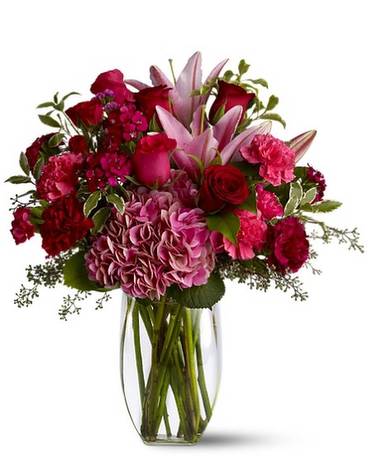
Perry's Florist is a florist in Glen Rock NJ. There's nothing like a bouquet of flowers to lighten your mood and liven up your home! Plus, it's also among the most wonderful and heartfelt gifts we can receive on special occasions. Sadly, we all know that blooms don't last forever. But with a little effort and a good deal of TLC, you can keep your dear blossoms fresh and blooming for longer! We've come up with a simple guideline to help you maintain your beloved flowers' vibrance for a long time. Enjoy your beautiful bouquet to the fullest by following these easy steps!
Call Perry's Florist the flower delivery experts in Glen Rock NJ or surrounding areas today for your free estimate or if you have any questions, give us a call at (201) 445-5668

Find A Florist In Glen Rock NJ
Florist Services
If you're interested in a formal course or want to get certified as an expert on all things about flowers, we recommend looking into professional bodies and colleges in gardening and floristry such as the American Institute of Floral Designers of the AIFD (www.aifd.org), the American Floral Endowment (www.endowment.org), and other similar organizations offering programs specializing in floristry.
Why Choose Perry's Florist Services?
Containers collect a lot of dust and dirt that can make your water cloudy and infect your flowers. Even if your vase is newly-bought, make sure to wash it for safety. Cleaning your vase is really easy and inexpensive - you'll have all you need around the house! Just wash with warm water, a cap of bleach, and let it dry. Another DIY cleaning solution is a salt and vinegar paste. Just mix a tablespoon of salt with a tablespoon of vinegar, spread the mixture to your vase with a clean cloth or brush, and let it set for half an hour. Afterwards, rub it off until all residue is removed, rinse out with warm water, and let dry.
Yup, you read it right: cut flowers need food, too! It enables them to bloom in full health and helps avoid infections that can shorten their lifespan. Flower food has three components: 1) citric acid, which balances the pH level of water for tip-top health; 2) sugar, which boosts their energy; and 3) bleach, which controls fungi and bacterial growth. Your local nursery or online stores may have flower food packets readily available. But if you prefer to make your own at home, the recipe is easy to follow! All you need is 1 quart of water, 1 tablespoon of sugar, 1/2 teaspoon of bleach, and 2 tablespoons of lemon juice. There are also plenty of alternatives to this recipe! Clear soda, apple cider vinegar, and even vodka have been proven successful at nourishing flowers.
Florist In Glen Rock, New Jersey
Are you in Glen Rock, New Jersey and are looking for a business that does flower delivery near you? Are you interested in having fresh flowers delivered? If the answer is yes, you have found a great resource to take care of all your florist needs. We are the best florist in Glen Rock NJ. No arrangement is too big or too small for us. We provide full-service floristry services.
Leaves and foliage that are left behind on the stems and submerged in water will rot rapidly, introducing bacteria to your flowers which can lead to disease and infection. So it's a good idea to prune your flowers before placing them in your vase and ensure that there are no leaves below the waterline. One of the best tips for keeping flowers fresh is to cut their stems! This technique creates a larger opening at the bottom of the stem, allowing your blooms to suck in more water and delay wilting. Just cut an inch from the stems at a 45-degree angle. It's crucial to be very careful, though! Bad cutting techniques can easily lead to crushed stems which keep your flowers from absorbing water To prevent this, avoid using dull scissors or blades. Use a sharp knife or sharp shears instead for a guaranteed smooth and clean cut.
All flowers need water to thrive, but different blooms have different demands! Before you set them in water, research their particular water requirements. Flowers with woody and semi-woody stems like roses, mimosas, lilies, chrysanthemums, and carnations tend to drink a lot. Set them in warm water filled up to about 2/3 of your vase. Soft-stemmed flowers like anemones, freesias, and ranunculuses prefer shallow water. You can put them in warm water filled to only 1/2 of your vase. Blooms with bulbous stems like daffodils, hyacinths, and tulips enjoy a bit of a chill, so set them in cold water up to 1/3 of your vase.Most flowers thrive in cooler spots away from direct sunlight. You can still put them by the windows to create a peaceful look for your home; just see to it that they're kept away from light and that they don't touch the glass. If you like having flowers as a centerpiece for your dining table or kitchen, make sure you put them where there are no fruits nearby. This may sound unusual, but ripening fruits actually emit small amounts of ethylene gas that cause flowers to brown and age earlier than normal. It's also best to keep them far from anything that releases or generates heat, such as air conditioning units, fire places, heating vents, radiators, or televisions - these can lead to dehydration and early wilting.
Glen Rock, New Jersey
Water can gather dust and debris from your surroundings, while leaves and stems can break off your flowers and drop into your water. These elements cultivate an optimal environment for bacterial growth. So it's important to change your water every 2-3 days. For best results, you can wipe the vase before you change the water. Also, make sure to mix in fresh flower food to replenish your flowers' nutrients!
Whenever you cut flowers, you create a "wound" at the base of the stem. So flowers "mend" themselves by sealing the wound which blocks it off to water supply and significantly lessens their water intake. This is why re-cutting stems is essential! It opens up your flowers' stems so they can absorb more water; plus, it helps get rid of blockages and inhibit infections as well. Simply snip off about half an inch off the stem every three days and you'll be sure to lengthen your flowers' lives!
Remove - Roses have "guard petals" which guard the inner buds that have not yet opened. Florists keep them to secure the safety of your roses while they're being delivered, but it's risk-free to remove them once they arrive. This also allows your roses to spend their energy on keeping newer, more attractive petals fresh. Revive - Wilting blooms can be revived by snipping off an inch from the bottom of the stem, then setting the roses in a tub of water. Keep them soaking for 30-60 minutes.
Keep cool - Peonies enjoy cool surroundings, so some people wrap and stash them in the refrigerator to keep them fresh. But placing them in a shady area in your home should be more than enough to keep them flourishing. Keep apart - Avoid overcrowding your vase when you have peonies in a mixed bouquet. They're quite sensitive and flimsy, so give them ample space for their big blossoms to thrive. No sniffing - Smelling these temptingly aromatic blooms can actually cause premature wilting! Sounds strange, but gardenias enjoy their privacy and actually turn brown when sniffed. Pluck - Take note of your lilies' anthers; they're very likely to be covered in pollen that can stain fabric on your clothing and furniture. Simply pluck the pollen off or remove the anthers by hand. Protect - Lilies are especially frail flowers. Their petals tend to bruise a lot, so make sure to handle them gently when you're recutting stems or removing anthers.
More Flower Delivery Glen Rock NJ articles.